

When you need equipment beside a loaded flatbed, a box that blocks access or buries your tools creates another problem; for organized storage in 2026, the In The Ditch Pro Series 70 Inch Full Shelf Aluminum Underbody Tool Box is the best overall pick here, while polymer suits a compact installation and barn-door aluminum suits access-first layouts. This guide compares flatbed truck tool boxes by construction, shelf arrangement, door operation, and installation space.
- Best overall: In The Ditch Pro Series 70 Inch Full Shelf Aluminum Underbody Tool Box for shelf-organized storage.
- Best compact option: Polymer Underbody Tool Box 18 Inch x 18 Inch x 24 Inch for corrosion-resistant construction.
- Best stainless option: Bawer All Stainless Steel Tool Box - 18 x 18 x 36 for an all-stainless enclosure.
- Choose flatbed truck tool boxes by mounting clearance, door access, and equipment layout before choosing material.
What makes the best flatbed truck tool boxes
The best box keeps your working equipment accessible without interfering with the truck, its bed, or its moving components. That matters more than exterior size alone, because a shelf, door opening, and mounting position determine whether your equipment actually fits and comes out without unloading everything ahead of it.
TruckNTow flatbed truck tool boxes are best for operators who select storage around their equipment layout and available mounting space. For a 2026 truck build, start with the equipment you carry, then match the enclosure to the installation rather than ordering a box and rearranging the truck around it.
Use these selection criteria before comparing the picks:
- Mounting envelope: Measure the available space and identify the structures that will support the enclosure.
- Equipment fit: Check your longest tool, largest case, and heaviest group of hardware against usable interior space.
- Shelf arrangement: Choose divided storage for smaller equipment or an open compartment for taller items.
- Door access: Include the complete door movement and the space needed to remove equipment.
- Construction: Compare aluminum, polyethylene, and stainless construction according to the actual job and care requirements.
- Service access: Keep mounting hardware, hinges, latches, and nearby truck components reachable for inspection.
A larger box does not automatically solve poor organization. Separate frequently used equipment from occasional-use supplies, and decide where wet or dirty gear will go before committing to a shelf layout.
Best tool boxes at a glance
These 2026 picks occupy different use-case slots rather than competing on an unsupported strength score. The comparison favors documented construction and access features; mounting approval and load limits remain installation checks, not assumptions based on material thickness.
| Tool box | Best for | Standout feature | Key limitation |
|---|---|---|---|
| In The Ditch Pro Series 70 Inch Full Shelf Aluminum Underbody Tool Box | Overall shelf-organized storage | Full-length, 14-inch-deep aluminum shelf | Requires room for a 70-inch enclosure; shelf divides vertical storage |
| Polymer Underbody Tool Box 18 Inch x 18 Inch x 24 Inch | Compact corrosion-resistant storage | High-density ribbed polyethylene construction | Shorter enclosure limits long-equipment storage |
| Bawer All Stainless Steel Tool Box - 18 x 18 x 36 | All-stainless construction | Polished stainless enclosure with gas-shock door openers | Single-door layout requires a clear opening area |
| Aluminum Tool Box - 18 Inch x 24 Inch x 48 Inch | Barn-door access | Double barn doors and .125-inch aluminum construction | Outward door movement requires unobstructed space |
1. In The Ditch: best for overall shelf-organized storage
The In The Ditch Pro Series 70 Inch Full Shelf Aluminum Underbody Tool Box combines a long enclosure with an included full-length shelf. Its description specifies a 14-inch-deep aluminum shelf, 1/8-inch aluminum construction, and predrilled holes for customization with shelves and accessories.
Best for: Operators who want a defined upper storage level instead of one undivided compartment. The full shelf gives smaller equipment a separate location, while the long enclosure provides room to plan equipment groups across the box.
In The Ditch pros:
- Included full-length shelf establishes a divided storage layout.
- A documented 14-inch shelf depth helps you check equipment fit.
- Predrilled holes support customization with shelves and accessories.
- Documented 1/8-inch aluminum construction identifies the material thickness.
In The Ditch cons:
- The 70-inch enclosure requires a long, unobstructed mounting location.
- A full shelf divides interior height, so tall equipment needs a fit check.
Choose the full shelf when your equipment benefits from separation, not simply because it adds another surface. Before ordering, map the shelf and lower compartment around the actual cases and tools you intend to carry.
Verdict: Buy for organized storage when the 70-inch enclosure fits your installation.
2. Polymer Underbody Tool Box: best for compact storage
The Polymer Underbody Tool Box 18 Inch x 18 Inch x 24 Inch uses high-density ribbed polyethylene construction. Its listed lightweight, corrosion-resistant construction makes it the compact alternative here for operators who want a polymer enclosure rather than metal.
Best for: A short mounting location carrying a deliberately limited equipment kit. Start with the equipment that must live in that location, because the compact exterior does not establish usable interior dimensions.
Polymer Underbody Tool Box pros:
- Polyethylene construction provides a corrosion-resistant enclosure.
- The listed 24-inch size suits a shorter-space shortlist.
- Lightweight construction is a stated product feature.
Polymer Underbody Tool Box cons:
- The shorter enclosure limits storage for long tools and larger equipment groups.
- Ribbed construction and door details make an interior fit check necessary.
Do not treat a polymer body as permission to improvise mounting support. Confirm the correct brackets, fastening method, and permitted load before putting heavy hardware inside.
Verdict: Buy for a compact equipment kit; skip when long-tool storage drives the purchase.
3. Bawer All Stainless Steel: best for stainless construction
The Bawer All Stainless Steel Tool Box - 18 x 18 x 36 has polished stainless steel construction and a single-door layout. The description also specifies gas-shock door openers, providing a documented door-operation feature rather than relying on appearance alone.
Best for: Operators who specifically want an all-stainless enclosure. This differs from a box with a stainless door and a coated steel body, so compare the complete construction description rather than the door finish.
Bawer All Stainless Steel pros:
- Stainless construction covers the enclosure rather than only the door.
- Gas-shock door openers are a listed feature.
- The 18 x 18 x 36 size provides a defined starting point for layout checks.
Bawer All Stainless Steel cons:
- The single-door arrangement needs an unobstructed opening area.
- Stainless construction does not eliminate cleaning or hardware inspection.
Check the door's complete travel and the position of its supports against nearby equipment. A box that fits when closed still fails the installation if the door cannot open properly.
Verdict: Buy when all-stainless construction is your deciding requirement.
4. Aluminum Tool Box: best for barn-door access
The Aluminum Tool Box - 18 Inch x 24 Inch x 48 Inch uses double barn doors for equipment access. Its description specifies a smooth aluminum finish and .125-inch aluminum construction on both the box and doors.
Best for: An installation where the outward-opening barn-door arrangement matches the available working space. Check the door movement against fenders, adjacent equipment, and the position from which you remove tools.
Aluminum Tool Box pros:
- Double barn doors provide a different access arrangement from a single door.
- Documented .125-inch aluminum construction covers the box and doors.
- The listed dimensions help establish the initial installation envelope.
Aluminum Tool Box cons:
- Outward-opening doors require clearance beyond the closed enclosure.
- Door edges and the opening still need checking against bulky equipment.
Verdict: Buy when barn-door access solves your layout; skip when surrounding equipment blocks the swing.
How the picks are ranked
The order prioritizes shelf organization first, then compact construction, an all-stainless enclosure, and barn-door access. TruckNTow's 2026 selection supports these distinct choices through the listed product features; the ranking does not assign unverified load capacities, weatherproof ratings, or universal truck compatibility.


Compatibility: measure the installation and equipment
For a 2026 replacement or new build, record more than the gap beneath the bed. Check the closed enclosure, the open doors, the support locations, and the equipment-removal path as separate fit requirements.
- Mounting space: Identify the available length, height, and depth without covering service points.
- Door clearance: Check the complete opening movement against fenders, steps, and adjacent equipment.
- Equipment access: Confirm that your largest case passes through the opening and clears the shelf.
- Service access: Leave nearby components and the box mounting hardware accessible.
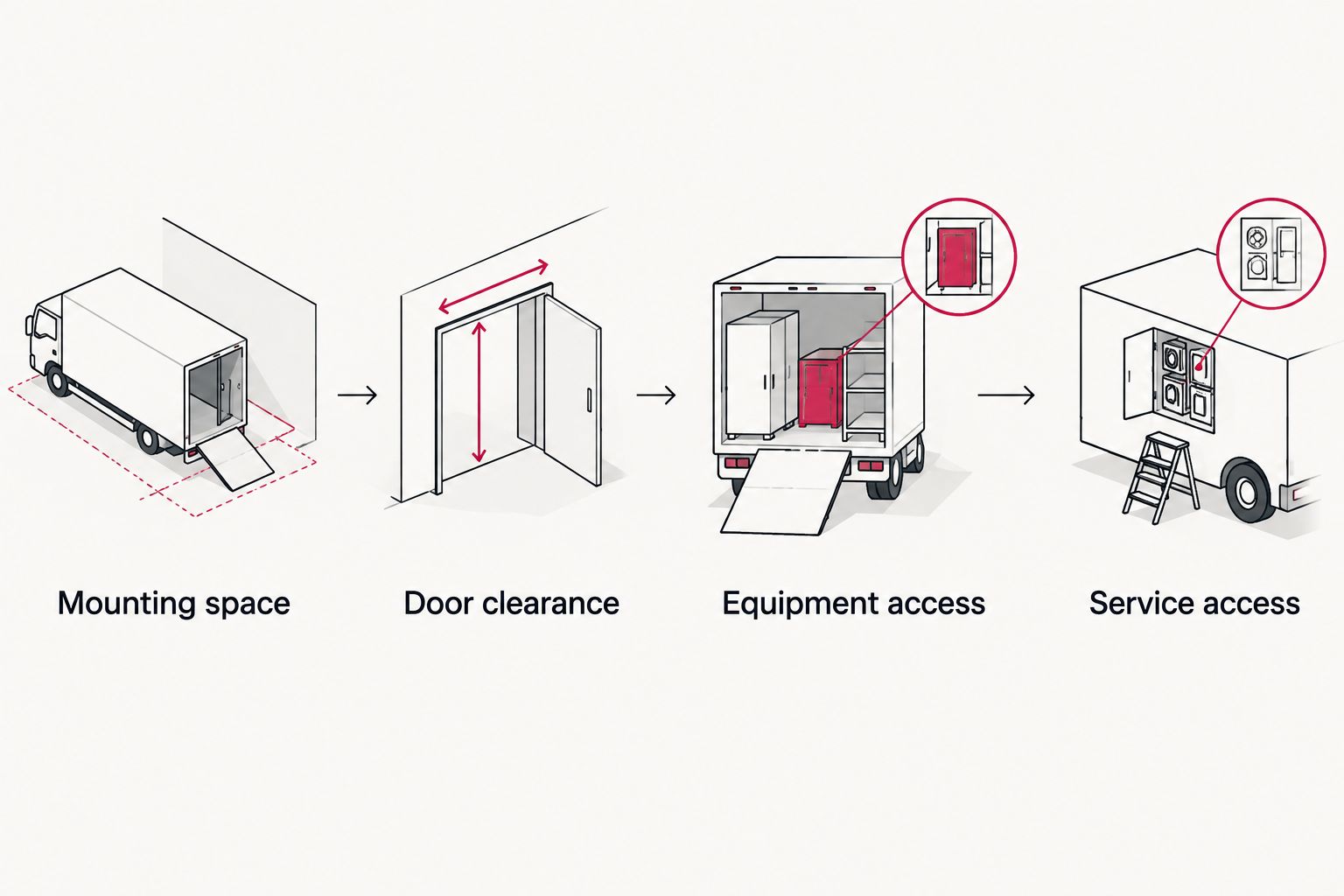
Lay out your equipment before choosing the shelf. Put the largest case and longest tool in the proposed storage arrangement, then check whether the shelf interrupts the space they need and whether frequently used equipment remains reachable.
Match mounting hardware to the specific enclosure and truck-body installation instructions. Do not infer bracket compatibility from a similar size, and have a qualified installer resolve interference with chassis components, moving bed equipment, wiring, or hydraulic lines.
Safety, maintenance, and the final selection
A storage enclosure is not automatically an anchor point, step, or support for recovery equipment. Keep the box within its stated load limits and mounting instructions, and do not infer carrying capacity from the 1/8-inch or .125-inch aluminum figures used in these descriptions.
Before loading, verify the supporting structure, fasteners, and permitted mounting arrangement. Account for the enclosure, mounting hardware, and stored equipment in the truck's weight assessment, and keep dense hardware secured so it cannot shift against doors or other equipment.
Keep the box ready for work
Make enclosure inspection part of your 2026 equipment routine, especially after an impact or a change in door operation. Inspect mounting points, door alignment, latches, hinges, and visible seals, then address looseness or damage before it becomes a roadside access problem.
- Remove road grit and salt using cleaning methods appropriate to the material.
- Clean sealing surfaces without damaging the seal or surrounding finish.
- Dry wet equipment before returning it to enclosed storage.
- Separate abrasive hardware from webbing and other damage-sensitive equipment.
- Follow manufacturer care instructions for hinges, door supports, and latches.
An enclosed box does not dry the equipment placed inside it. Keep dirty equipment from contaminating clean supplies, and remove grit before it works into latches or collects along door edges.
Which tool box should you choose?
Choose the In The Ditch Pro Series 70 Inch Full Shelf Aluminum Underbody Tool Box as the default for shelf-organized storage, provided the installation fits. Choose the compact polymer box for a shorter equipment kit, Bawer for all-stainless construction, or the aluminum barn-door box when door operation is the deciding factor.
One last thing: Check removal clearance with your largest tool case, not an empty cardboard outline. The equipment has to pass through the door and around the shelf, not merely occupy the space inside.
FAQ
What's the best flatbed truck tool box for organized equipment storage?
The In The Ditch Pro Series 70 Inch Full Shelf Aluminum Underbody Tool Box is the best overall pick here for shelf-organized storage. It includes a full-length, 14-inch-deep aluminum shelf, provided the enclosure and mounting arrangement fit your truck.
Which flatbed truck tool box is best for a short mounting space?
The Polymer Underbody Tool Box 18 Inch x 18 Inch x 24 Inch is the compact pick in this comparison. Confirm usable interior space and mounting requirements before ordering it for your equipment kit.
Is a full-shelf tool box better than an open compartment?
A full-shelf tool box is better for equipment that benefits from separate storage levels. An open compartment suits taller equipment that would conflict with a shelf, so check your actual equipment dimensions first.
Is the Bawer all-stainless box stainless throughout?
The Bawer All Stainless Steel Tool Box - 18 x 18 x 36 lists polished stainless steel construction for the enclosure. That distinguishes it from a coated steel box fitted with a stainless door.
Are barn doors the best choice for an underbody tool box?
Barn doors are the best choice when their outward-opening movement fits your working space. The Aluminum Tool Box - 18 Inch x 24 Inch x 48 Inch has double barn doors, but nearby equipment must remain clear of their travel.
Does aluminum thickness tell me how much equipment a box can carry?
Aluminum thickness alone does not establish the permitted equipment load. Follow the enclosure, mounting hardware, and truck-body instructions rather than calculating capacity from the sheet thickness.
Can I install an underbody tool box on any flatbed?
An underbody tool box is not a universal fit for every flatbed. Verify mounting support, chassis clearance, door travel, and access to nearby truck components with the applicable installation instructions.
Related guides
- Tool boxes for tow truck beds
- How to store and maintain tow chains between jobs
- How to store ratchet straps to prevent mildew and rust
Shop the full line at TruckNTow, and match the enclosure to your measurements before ordering.
TruckNTow is family-owned and serves trucking professionals. Confirm fit now so your storage is ready when the next job calls.